Health and Safety Policy for Junk Removals Services
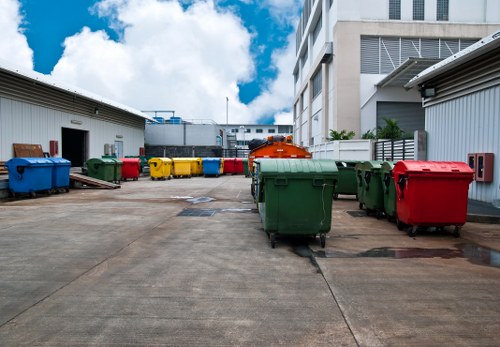 Purpose: This Health and Safety Policy sets out the commitment and practical measures adopted by our junk removals service to protect employees, contractors, clients, and the public. The policy covers every phase of junk removal operations, from site assessment and load preparation to transport, unloading and disposal. It applies to all forms of junk removal, including household clear-outs, commercial waste pickup, and bulky waste hauling. The aim is to minimise risk, prevent injury, and ensure that every removal job meets robust safety and environmental standards.
Scope and responsibilities are defined so that management, crew leaders and individual team members understand their roles. Managers are accountable for policy implementation, risk assessments, and ensuring sufficient resources. Crew leaders must confirm safe systems of work and verify competence of team members. Each employee has a duty to follow instructions, use personal protective equipment and report hazards. This safety policy supports a culture of continuous improvement and clear lines of accountability across the entire junk haulage and waste removal operation.
Risk Assessment and Job Planning
Every removal task begins with a dynamic risk assessment and job plan. Identified risks may include manual handling injuries, slips and trips, traffic and vehicle hazards, hazardous items, and environmental risks. Job planning includes route selection for safe loading and unloading, identifying lifting aids, and confirming required PPE. High-risk items such as asbestos-containing materials, chemicals, or contaminated waste are flagged and segregated for specialist handling. The goal is to reduce exposure to hazards and ensure safe, compliant removal of debris and unwanted items.Training, Competence and Communication
Staff receive structured training in manual handling, safe lifting techniques, use of PPE, and vehicle safety. Ongoing toolbox talks and briefings are used before shifts and at the start of complex jobs. Competence is confirmed through observation and documented training records. Communication protocols include clear hand signals, radio or mobile communication for larger sites, and a system for escalating hazards. Regular drills and refresher training ensure that teams remain familiar with emergency procedures and safe methods for bulky item removal. Personal Protective Equipment (PPE) and Equipment: Proper PPE is mandatory for all junk removal activities. Typical PPE includes high-visibility clothing, gloves designed for sharp objects, steel-toe boots, eye protection and respiratory protection when dust or airborne contaminants are present. Lifting aids such as trolleys, straps and hoists are provided to reduce manual handling risks. All tools and equipment are inspected regularly and maintained to a safe condition. Faults are reported immediately and defective equipment is taken out of service until repaired.
Vehicle safety and secure loading are central to transport safety. Vans and trucks are fitted with tie-downs, load restraints and suitable containment to prevent shifting during transit. Drivers complete vehicle safety checks, maintain legal load limits, and follow safe driving practices. Loading plans account for weight distribution and secure stacking to avoid falls and spillage. Procedures include safe entry/egress from vehicles and maintaining clear access routes at pickup and drop-off locations.
Manual handling principles are reinforced through training and practical controls. Team lifting is used for awkward or heavy items, and mechanical aids are provided wherever possible. A hierarchy of controls ensures that hazards are removed or reduced before relying on PPE or safe systems of work. Good housekeeping on sites reduces slip and trip hazards: waste is contained, walkways are kept clear, and work areas are cleaned as the job progresses. Waste segregation for recycling is promoted to minimise landfill and reduce hazardous mixes.

Hazardous Materials and Special Waste
The policy identifies hazardous items such as chemicals, batteries, fluorescent tubes, paints and electronic waste that require special handling. These items are segregated and transported using approved methods to licensed facilities. Staff are trained to recognise potential hazardous materials and to act cautiously. If an item presents an unknown risk, procedures require suspension of removal and consultation with senior staff to determine a safe course of action. Proper labeling and documentation accompany special waste movements.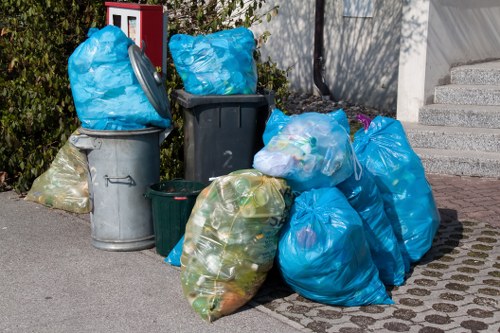
Incident Reporting, Monitoring and Review
All incidents, near misses and health and safety concerns are reported promptly and recorded. Investigations identify root causes and corrective actions. Performance metrics such as injury rates, near-miss reports, and equipment inspection results are reviewed regularly to drive improvement. The policy is subject to periodic review to reflect operational changes, new risks, evolving best practice, and technological improvements. Continuous engagement with workforce feedback ensures practical, implementable safety controls.Emergency Preparedness and First Aid: Emergency procedures cover injury response, fire, spillage and road incidents. First aid kits and trained first aiders are available on site and in vehicles. Crews are trained in emergency response, including safe extraction techniques for trapped individuals and procedures for controlling hazardous spills until specialist assistance arrives. Clear emergency contact protocols, assembly points, and evacuation routes form part of routine job planning.
Contractor and subcontractor management ensures that all third parties working alongside our teams follow compatible safety standards. Contractors are required to provide evidence of competence, relevant insurance and safety policies. Joint site inductions establish shared expectations and emergency arrangements. Supervision is maintained to ensure consistent application of the waste removal and junk hauling safety practices across all operations.
Policy Implementation and Continuous Improvement: Management commits to resourcing the policy, supporting training, and promoting a culture where safety is integral to every junk removal task. Regular audits, feedback loops and improvement actions keep the policy effective and current. By embedding safety into planning, training, equipment maintenance and incident learning, the junk removal service delivers safe, reliable waste removal and removal of unwanted items while protecting people and the environment.